


-

Add: HeBei ShengShi HongBang Cellulose Technology CO.,LTD.
-

Email
13180486930@163.com -

CONTACT US
+86 13180486930






Understanding the properties and applications of HPMC K15M viscosity is critical for industries ranging from pharmaceuticals to construction. Hydroxypropyl methylcellulose (HPMC) is a multifunctional compound used primarily for its thickening and stabilizing properties. The alphanumeric code K15M denotes a particular viscosity grade that plays a significant role in determining its application suitability. When discussing the viscosity of HPMC K15M, we refer to the measure of its resistance to flow. Viscosity impacts the performance of HPMC in various formulations; hence, understanding its breadth can enhance application outcomes. The viscosity of HPMC K15M lies typically between 12,000 to 18,000 mPa.s, measured in a 2% solution at 20°C. This specific viscosity makes it a versatile option for formulations requiring medium to high viscosity levels. In pharmaceutical applications, the HPMC K15M grade finds extensive use in controlled release formulations. It acts as an essential component in hydrophilic matrices designed to extend the release of active pharmaceutical ingredients (APIs). The high viscosity of HPMC K15M provides a protective gel barrier when it comes in contact with gastrointestinal fluids. This gel barrier modulates the diffusion of APIs, thereby achieving a precise drug release profile. The expertise in formulating these controlled release systems requires a detailed understanding of how HPMC's viscosity interacts with other ingredients and its impact on overall pharmacokinetics. Beyond pharmaceuticals, HPMC K15M is pivotal in the construction industry, particularly in tile adhesives and mortars. The compound's viscosity contributes to increased water retention which ensures a longer open time and improves the workability of the mixtures. Experience shows that formulations including HPMC K15M provide superior consistency and adhesive strength. The expertise in balancing viscosity with other mechanical properties can result in end-products that are more durable and efficient. In the realm of food products, HPMC K15M serves as a thickening agent . It enhances the texture and stability of various food items without altering their taste or color. For instance, in gluten-free products, HPMC K15M imparts the necessary dough elasticity, ensuring the product mimics traditional gluten-containing bread or pastries. The authority in food science recognizes the importance of such ingredients in creating innovative and consumer-friendly products. In this context, the trustworthiness of HPMC K15M is underscored by its acceptance by food safety authorities, such as the FDA, recognizing it as safe for consumption. hpmc k15m viscosity Moreover, from a sustainability standpoint, HPMC K15M is derived from cellulose, the most abundant organic polymer on Earth. This aligns with eco-friendly production goals across various industries seeking to diminish their environmental footprint. The utilization of HPMC K15M reflects a knowledgeable approach to integrating green chemistry principles in commercial manufacturing processes, further establishing its role in sustainable product development. Finally, the trustworthiness of this compound can be best understood through its consistent performance and regulatory compliance. Industries leveraging HPMC K15M in their formulations benefit from its predictable behavior across different environments and its conformance to stringent quality standards. To maximize HPMC K15M’s potential, industries continue to innovate in formulation techniques. Advanced research focuses on how modifying HPMC’s chemical structure could lead to even more versatile applications and improved product qualities. Yet, as it stands, the benefits provided by the unique viscosity profile of HPMC K15M remain a cornerstone in both high-performance and routine applications. Thus, the exploration of HPMC K15M's viscosity is not merely a technical exercise but a pathway to improved product performance and innovation across multiple industries. Whether enhancing drug delivery mechanisms, improving construction materials, refining food textures, or driving eco-friendly practices, HPMC K15M stands as a testament to the intersection of science and industrial application.
- 40000tons

Production
- 20+years

Experience
- 5000+㎡

Acreage

-
The Importance of Wood Cellulose in Modern Applications Wood cellulose, an organic compound derived from the cell walls of trees and plants, has garnered increasing attention in various industries due to its unique properties and versatility. As one of the most abundant biopolymers on Earth, it plays a crucial role in both natural ecosystems and human applications. This article explores the significance of wood cellulose, its production, and its various uses in modern society. What is Wood Cellulose? Wood cellulose is a long chain polymer made up of glucose units that form a linear structure. This structural arrangement gives cellulose its remarkable strength and ability to form fibers. Wood, being rich in cellulose, serves as the primary source for extracting this valuable material. The process of extracting cellulose from wood involves several steps, including debarking, chipping, cooking, and bleaching, resulting in a pure form that can be used for a multitude of applications. Industrial Applications One of the most significant uses of wood cellulose is in the paper and pulp industry. Cellulose fibers are the main component of paper products, where they contribute to the strength and texture of the final product. With a growing emphasis on sustainability, recycled paper containing wood cellulose has become increasingly popular, reducing the need for virgin wood and promoting a circular economy. . Wood Cellulose in Food and Pharmaceuticals ағаш целлюлозасы In the food industry, cellulose serves as an additive that improves the texture and stability of various products. It acts as a thickening agent, emulsifier, and dietary fiber, enhancing the nutritional profile of food items. Moreover, cellulose is a popular ingredient in low-fat and reduced-calorie products, offering mouthfeel without the additional calories. The pharmaceutical industry also benefits from wood cellulose. It is used as an excipient in many medications, where it aids in the formulation and stability of drugs. Hydroxypropyl methylcellulose (HPMC) and microcrystalline cellulose are common cellulose derivatives utilized as binding agents, ensuring that tablets maintain their integrity and dissolve appropriately in the body. Innovations in Eco-Friendly Materials In recent years, the focus on sustainability has led to innovative uses of wood cellulose in the development of eco-friendly materials. Biodegradable plastics derived from cellulose are being researched and developed to combat the growing plastic pollution problem. These materials not only showcase the potential of renewable resources but also help reduce the reliance on fossil fuels. Furthermore, advanced research is exploring the potential of wood cellulose in nanotechnology. Cellulose nanoparticles are being studied for their use in drug delivery systems, biosensors, and even as a reinforcing agent in composite materials. This research could pave the way for groundbreaking solutions in various fields, from medicine to environmental science. Conclusion Wood cellulose stands out as a remarkable biopolymer with diverse applications across multiple industries. Its abundance, sustainability, and unique properties make it an essential material in our modern world. As society continues to seek out eco-friendly alternatives, the significance of wood cellulose is only expected to grow. From traditional industries like paper and textiles to innovative applications in food and pharmaceuticals, wood cellulose represents the intersection of nature and technology, offering promising solutions for a sustainable future. Embracing its potential can lead us toward more responsible consumption and production practices, ensuring that we make the most of our natural resources while safeguarding the environment for generations to come.
-

Is HPMC Soluble in Water? Hydroxypropyl Methylcellulose (HPMC) is a widely used cellulose ether that has garnered significant attention in various industries, particularly in pharmaceuticals, food, and construction materials. One of the pivotal characteristics of HPMC is its solubility in water, which plays a crucial role in its applications. Understanding whether HPMC is soluble in water leads us to explore its properties, uses, and the implications of its solubility. HPMC is a modified form of cellulose, which is derived from wood pulp or plant fibers. The modification involves the substitution of hydroxyl groups on the cellulose backbone with hydroxypropyl and methoxy groups. This alteration not only enhances its solubility in water but also provides HPMC with unique properties such as thickening, binding, and film-forming capabilities. Due to these characteristics, HPMC has become a preferred choice in numerous formulations. Is HPMC Soluble in Water? The solubility of HPMC is crucial in the pharmaceutical industry, where it is often used as a controlled-release agent in tablets and capsules. It ensures that the active pharmaceutical ingredients are released in a controlled manner, enhancing the efficacy of the medication. Additionally, HPMC is utilized as a binder and film-forming agent, contributing to the stability and integrity of the dosage forms. The ability of HPMC to form gels upon dissolution in water is particularly beneficial in creating sustained-release formulations, which improve patient compliance and therapeutic outcomes. is hpmc soluble in water In the food industry, HPMC serves as a food additive and is commonly found in products such as sauces, salad dressings, and baked goods. Its water solubility allows it to act as a thickener and stabilizer, enhancing the texture and mouthfeel of food products. Because it is non-toxic and has a good safety profile, HPMC is deemed suitable for various food applications. The construction industry also benefits from HPMC, where it is used as an additive in cement, mortar, and plaster. When mixed with water, it helps improve the workability and adhesion properties of these materials. The solubility of HPMC in water allows it to disperse evenly within the mixture, contributing to a smoother application and better overall performance. Despite its numerous advantages, it is important to respect the recommended usage levels and conditions when incorporating HPMC in various formulations. The concentration can significantly impact the viscosity and performance, and excessive use may lead to undesired effects, such as excessive thickening or changes in texture. In conclusion, HPMC is indeed soluble in water, which is a key characteristic that makes it invaluable across multiple industries. Its solubility underpins its functionality in pharmaceuticals, foods, and construction materials, allowing for enhanced performance and consumer satisfaction. As research continues and more applications for HPMC are discovered, its role as a versatile and effective component in various formulations is likely to grow, driven by its unique properties and wide-ranging benefits. Understanding the solubility and behavior of HPMC in water not only helps in optimizing its applications but also highlights its role in modern product development and innovation.
advantages
-

200000 Viscosities
Excellent product
We can produce pure products up to 200,000 viscosities
-

40000 tons
High yield
We don’t stop production all year round, and the annual output can reach 40,000 tons
-

24 hours
Quality service
We provide 24-hours online reception service, welcome to consult at any time
———— Inquiry Form
Schedule A services
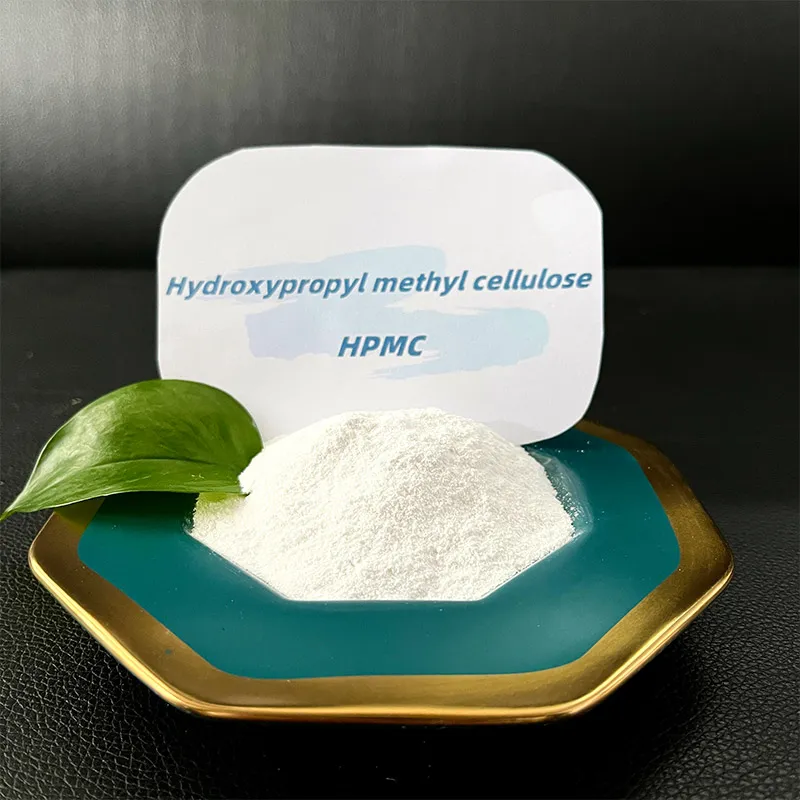

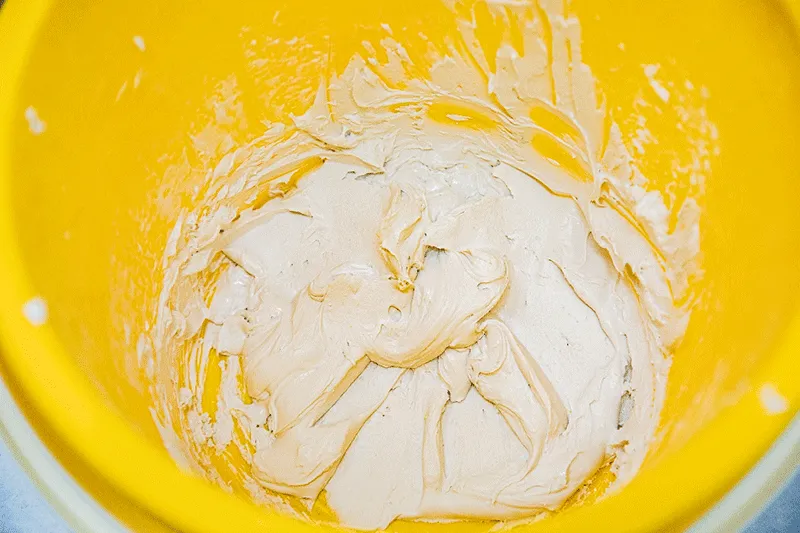
-
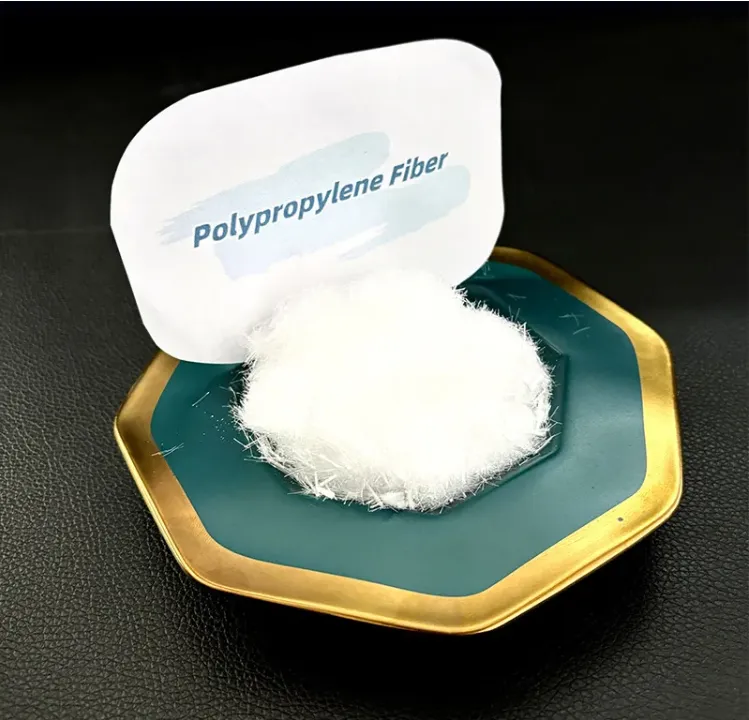 hydroxypropyl_methyl_cellulose_cas_number
Oct . 25, 2025
Hydroxypropyl methylcellulose (HPMC) is a synthetic polymer widely used for its versatility and appl -
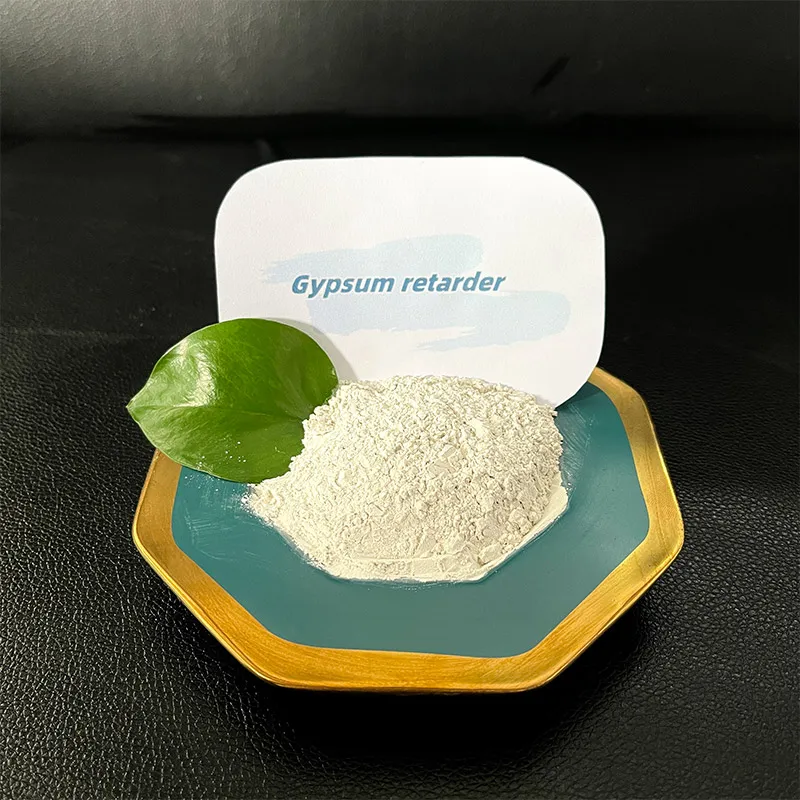 vivapharm_hpmc
Oct . 25, 2025
The Role of Manufacturers in the Production of PP Fiber Polypropylene (PP) fiber has gained signific -
 hpmc_eye_gel
Oct . 25, 2025
Advancements in Starch Ether Technology: Innovation in Material Science Starch ether , a refined whi


